The search begins in Quito
We’ve been in Quito for 12 days now – a very long time for us to be away from the coast, with no hope of surfing so far inland. What have we been doing here all this time? And why have we voluntarily been depriving ourselves of waves for so long? We’ll answer the former question first…
Quito is a well-developed city on the slopes of the Andes, with nearly 3 million inhabitants. It’s 9200 feet above sea level, which took a few days to get used to. Locals say that drinking coca tea or chewing the leaves helps you adjust to the altitude faster.

It’s currently winter here, so we’ve been wearing our down jackets and jeans at night. There’s lots to see and do, with scores of museums, churches, plazas and parks, and a good bus system to get around.
There are many city-sponsored photo exhibitions in parks and plazas around town.


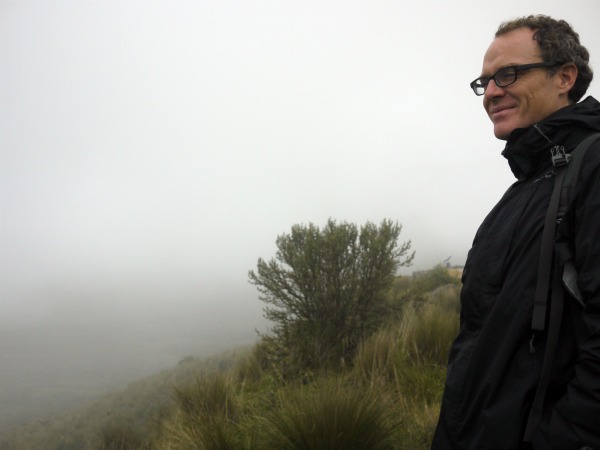
We rode the TeleferiQo cable car up to the east side of the Volcan Pichincha. The ride was a little scary, and the top was cold and shrouded in clouds. It was so atmospheric and beautiful, like the moors of Scotland.


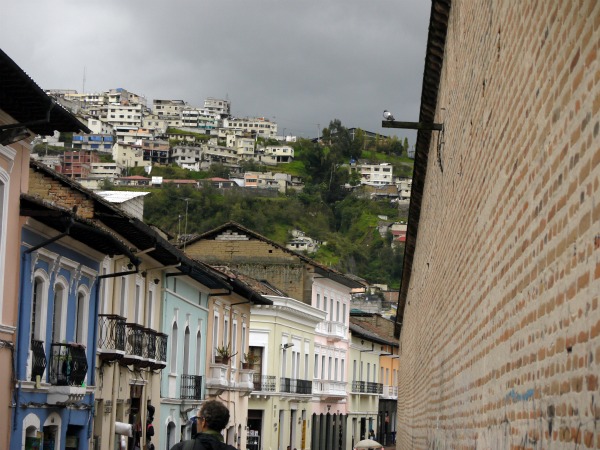
There’s an area called the Old Town, where buildings have been left the way they were for hundreds of years.
We visited a few museums, including the Museo de la Ciudad, which has artifacts and exhibits about the way Quito inhabitants lived in previous centuries.

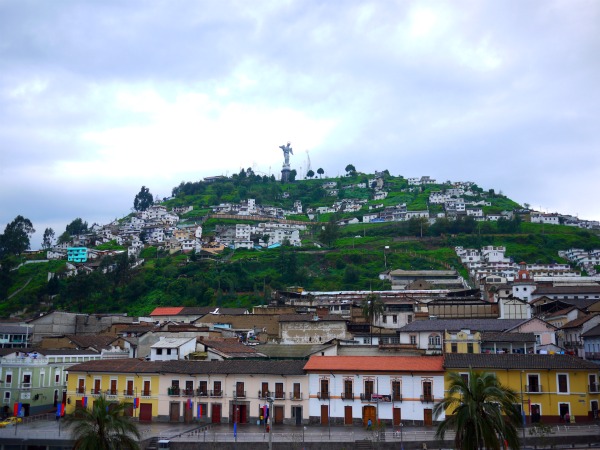
The Panecillo (meaning “small bread”) is one of Quito’s famous landmarks; it’s a hill with a statue of the madonna, visible from many areas of the city.
The Parque Carolina is kind of like Central Park in the middle of Quito. It has a huge skate park, a small lake where we rented a pedal boat, and it’s also home to the Jardin Botanico de Quito.


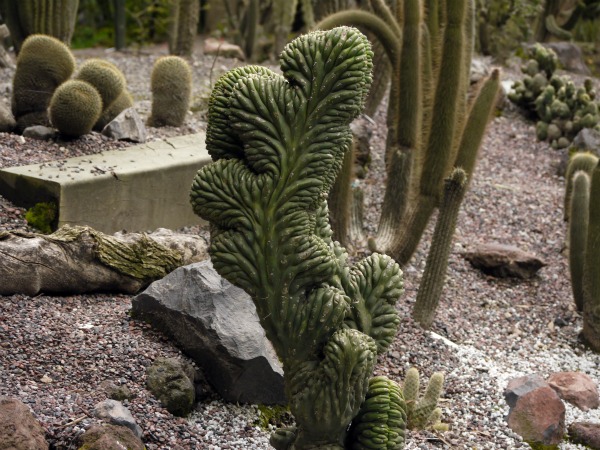
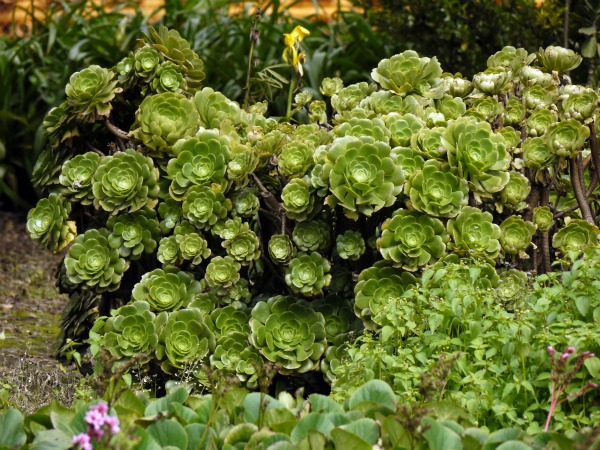
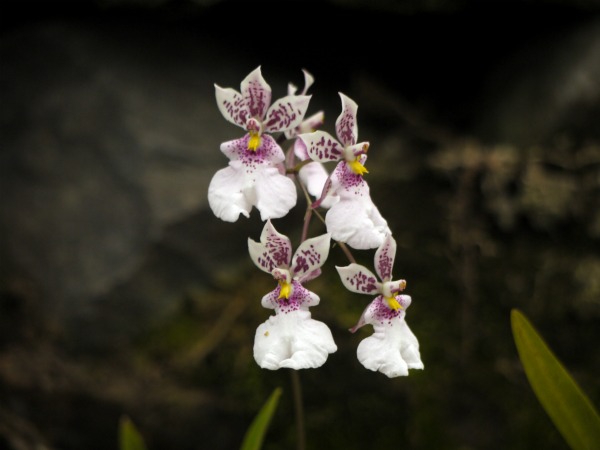
The botanical garden was one of our favorites in the whole world. It’s medium-sized, but wonderfully designed and contains a wealth of beautiful flowers, plants, and herbs.


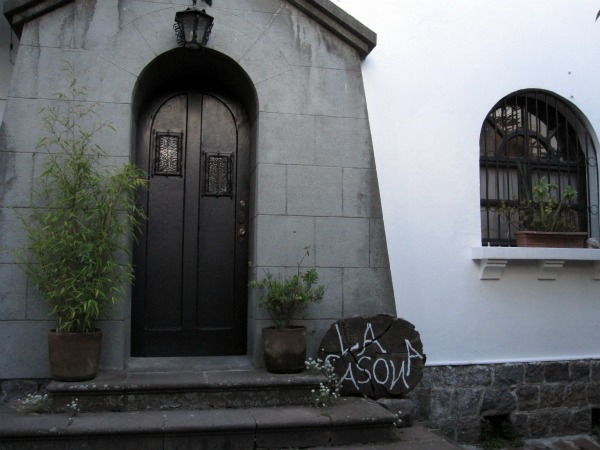
We’re staying at the nicest hostel we’ve been to so far, called La Casona De Mario. It’s in a beautiful old Spanish-style mansion in a nice neighborhood called La Floresta. It feels like home — a much nicer version of home.


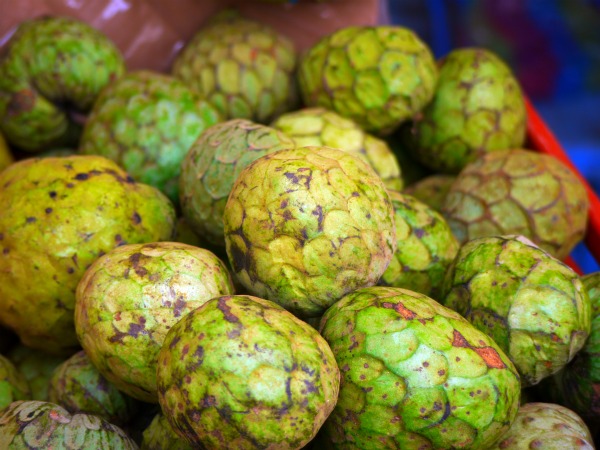
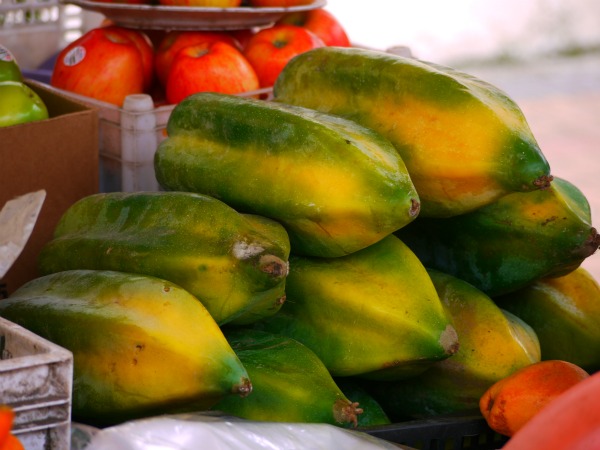
Every Friday there’s a farmer’s market that sets up in the street beside the hostel. The variety and quality of fruit here in Quito is amazing; Ecuador has very fertile growing areas.
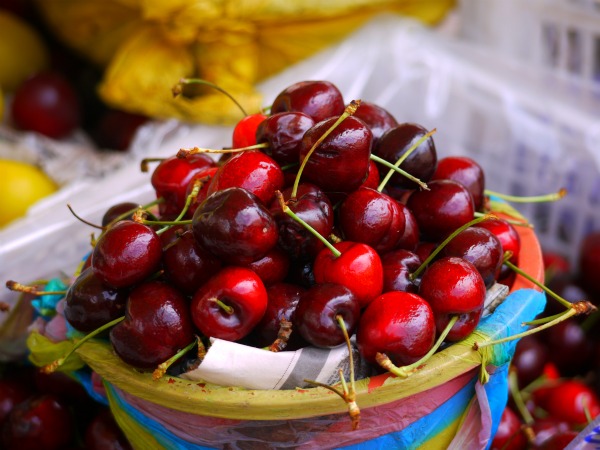
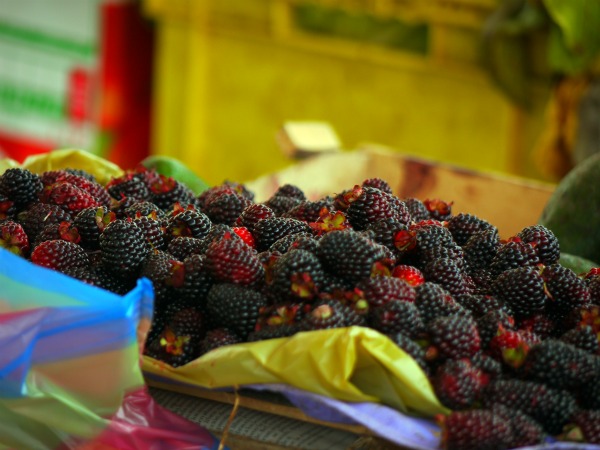
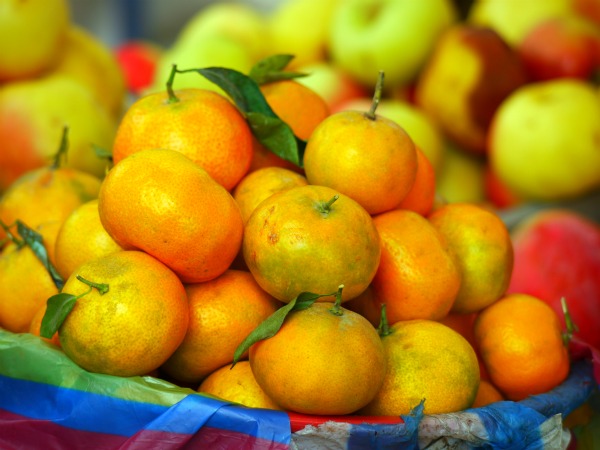

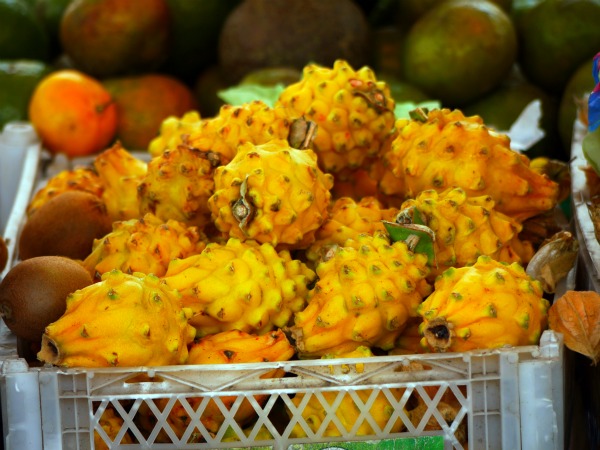
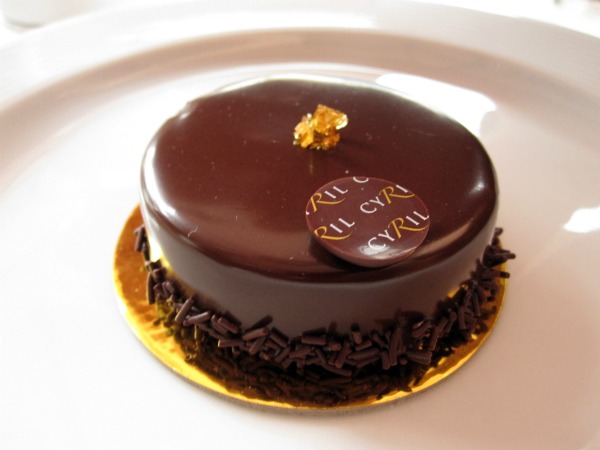
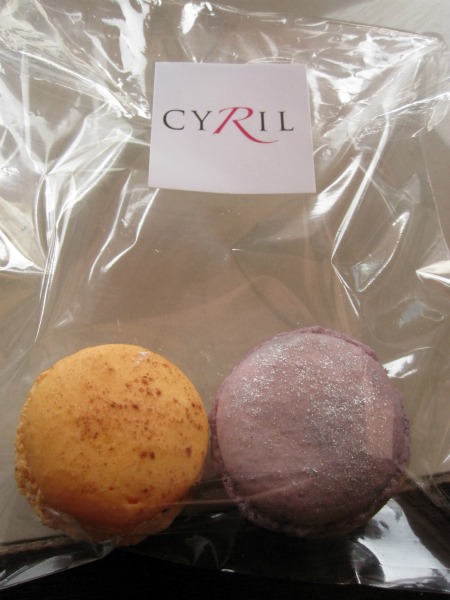
There’s a great little french pastry joint called Cyril’s that we’ve taken to visiting almost every day. Apparently, our bodies work a lot harder at higher altitudes, so the extra calories are totally justified.


Finally, we come to why we’ve been hanging out so far from the waves for such a long time: we’ve decided to try and buy a little VW campervan (also called a kombi), to travel around South America. Something like this:


We’d like to stay in Peru and Chile longer than the original 3 months, extending it to something like 2 months in Chile and 3 or 4 months in Peru. A campervan would give us the freedom to access uncrowded and hard-to-reach surf spots, and give us a lot of independence.
So we started our search for a van in Quito, and spent quite a lot of time running around to different government agencies trying to figure out what it takes to buy a car and drive through borders as foreigners. In the process, we’ve discovered that VW kombis are few and far between here in Ecuador, and thus, they’re also pretty expensive. We’ve found a lot more kombis for sale and at better prices, advertised in Lima, Peru, so we’re hopping a bus to Lima tomorrow. The great thing about Lima is that we’ll be able to surf right in the city while we’re looking around for a van, and going through the paperwork once we buy it. The wave forecast is for 6 feet at 16 seconds. We can’t wait!
Panama City
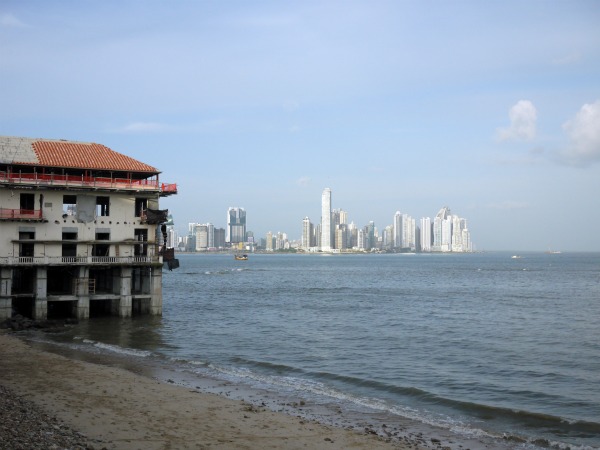
We bused it from Santa Catalina to Panama City a couple of days before our flight to Ecuador on Jan. 18, and the intense heat and humidity, buildings and traffic were a big change for us. Panama s a sprawling city that does pretty well because of all the trade done through the canal.

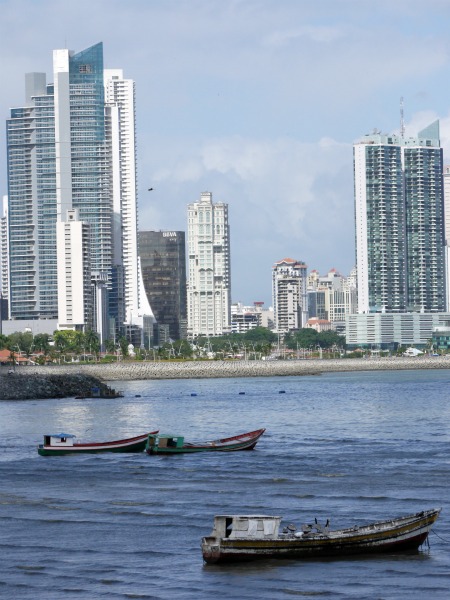
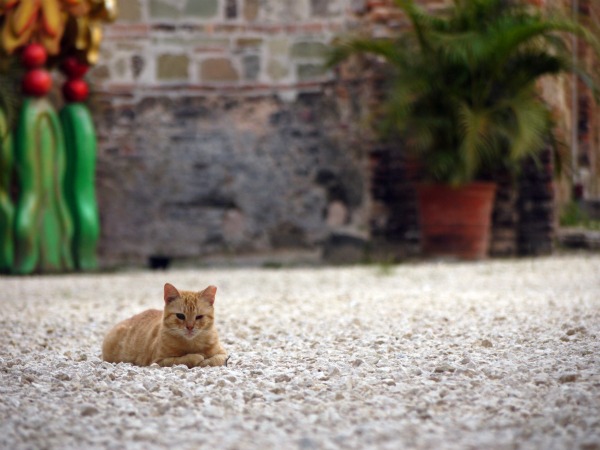
We stayed in an area called the Casco Viejo, which is full of old, colonial style buildings that are completely falling apart. The area is undergoing renovation, with a lot of building restoration and nice hotels and restaurants moving in. There are still a lot of tenements in the neighborhood, though, so the very poor and the very rich (locals as well as tourists) are living cheek by jowl. It reminded us of the Lower East Side in NYC, but with older buildings and more atmosphere.




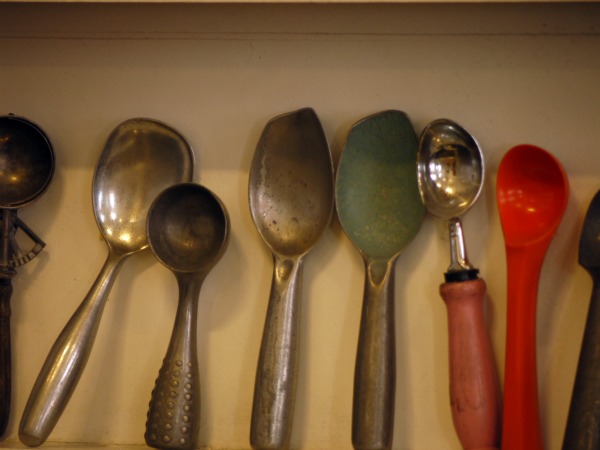
Our ice cream radar sought out artisanal gelato near our hostel. We went to Granclement both days we were in Panama City. They have an impressive collection of antique ice cream scoops (and the ice cream was delicious!).


To escape the heat, we hopped a cab to the Parque Natural Metropolitano, a 230-hectare stretch of protected forest in the city.


The trees gave some wonderful shade, we got some exercise hiking 6 km, and we saw some really cool animals.
Squirrel monkeys

Agoutis:

We’ve realized our favorite things to do when travelling – besides surfing – are visiting local restaurants, food markets, eating locally made artisanal ice cream, and going to botanical gardens or protected parklands.
We caught our plane to Quito on Jan. 18. And what have we been doing here since then? So many things that it will have to fill up a whole other post. Back with another post soon!
A Close Second
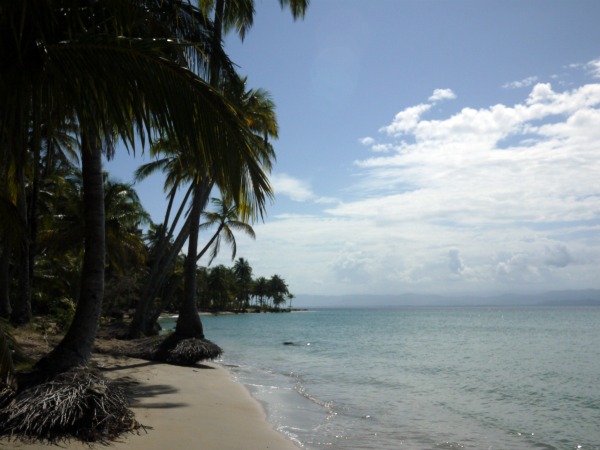
Before leaving Bocas Del Toro, we biked part of the main island of Colon, a 30 km return trip to a beach called Boca Del Drago, where there are tons of starfish in the water. The water was clear and calm, and the beach looked like a stereotype of paradise.


One last sloth photo from Bocas. This little guy was a great example of the definition of sloth!

We’ve found our second favorite town so far (our first favorite was Barra De La Cruz, Mexico): Santa Catalina, Panama. It’s a tiny village of 250 residents on the Pacific coast of Panama, but with a paved road in excellent condition and a good number of businesses catering to travelers, such as hostels, restaurants and diving/fishing/snorkeling/surfing boat charters. Twenty kilometers off this coast lies Isla Coiba, a purportedly wonderful Scuba diving locale, with guaranteed whale shark sightings.
The rocky reef break at Santa Catalina is also renowned as being one of the most consistent surf spots in Panama. It gets pretty crowded. We’ve been here for 12 days, and the best we caught was a 3-day swell that was about 1 to 2 feet overhead. The rest of the time, it’s been waist to head high.


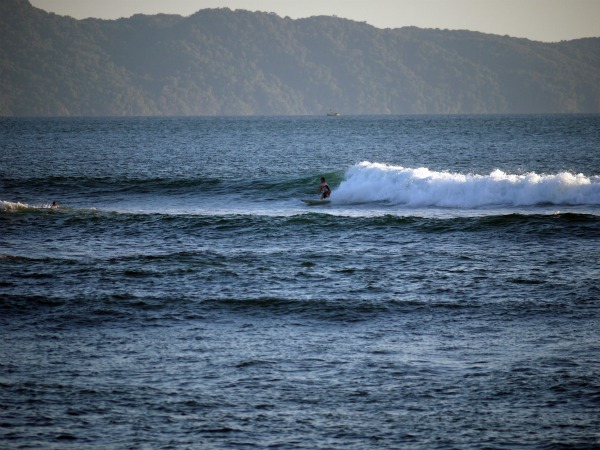
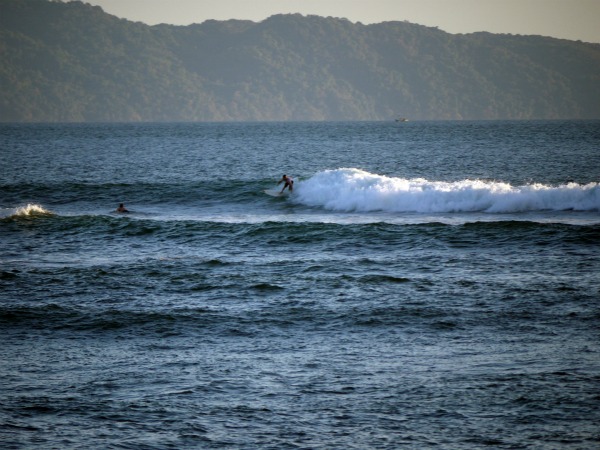
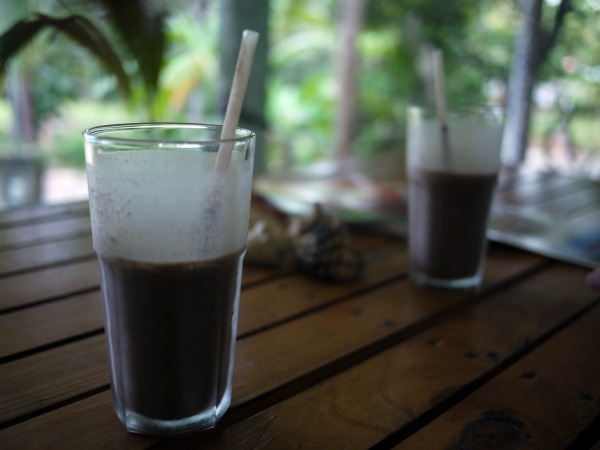
Every day after surfing, we head to the lone surf shop in town, which also doubles as a fruit shake counter. I always order the banana-chocolate shake, and Michael gets the banana-chocolate-ginger. We’ve already filled up one buy-10-and-get-1-free card and are halfway to filling up another!

Local fishermen fish with handnets and spearguns. Here’s a fisherman showing off his catch several days ago.

In Santa Catalina, even the lawyer surfs.

There’s no grocery store here, just a small convenience store with some canned vegetables, chips, candy, juice and milk. The nearest town and actual grocery store is a 90-minute bus ride from here. Instead of selling produce at the store, pickup trucks drive through town with fruits and vegetables in the back, announcing their wares via megaphone.


The local kids are amazing surfers, and over this weekend there was a surf contest in a town about one hour away by boat. Here are the owner of the place where we’re staying, Rolo, and his son, Rolito, with a couple of other local boys getting ready to head over to the contest.

The family pet at Rolo’s is a parrot called Lola. She’s good at saying her name and imitating children whining.

We’re both big bookworms, so of course we found the local library the first day we were here, and each took a few books out. It was handbuilt and is run by an ex-pat from Santa Fe, New Mexico.
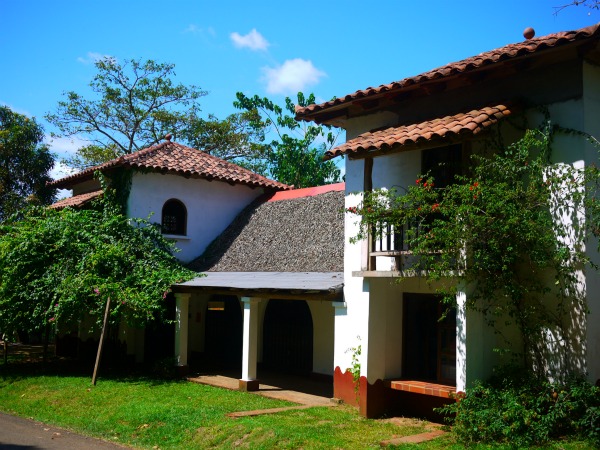
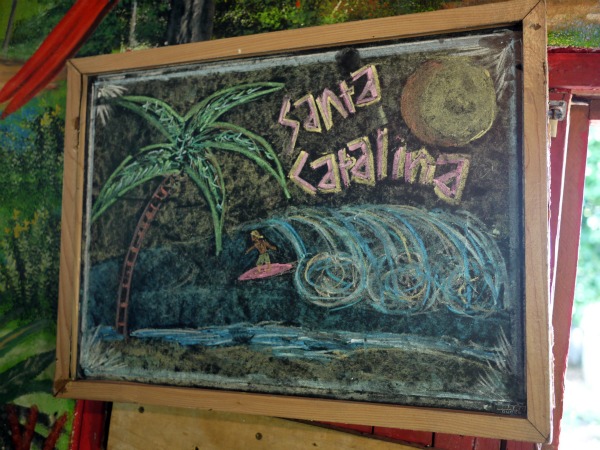
It came time to move on, despite our affection for the small town. Here are a few parting shots, and then it’s on to Ecuador, via Panama City and Quito, for us.



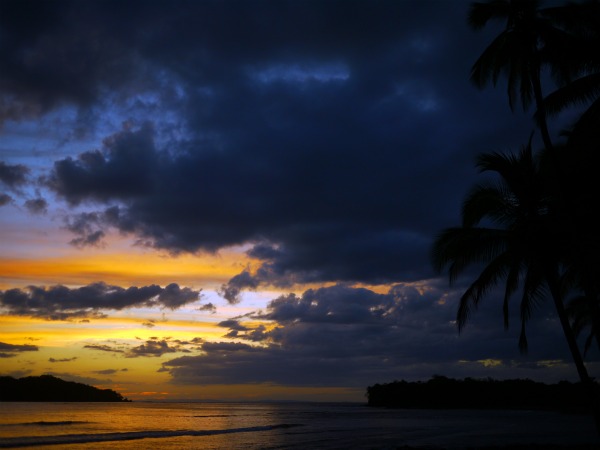
Adventures in Bodysurfing
Besides surfing, we’ve been bodysurfing, especially when the wind turns onshore and messes up the waves too much for surfing, or when we don’t feel like going too far and just want to play in the beachbreak near our hostel, that mostly closes out.
Bodysurfing is tons of fun; it’s also a great cardio workout — after only half an hour, I often feel like I’ve just run 3 miles. We do it with short fins on our feet (I like Da Fins), and the handplanes made and gifted to us by our friend Jon Wagner.
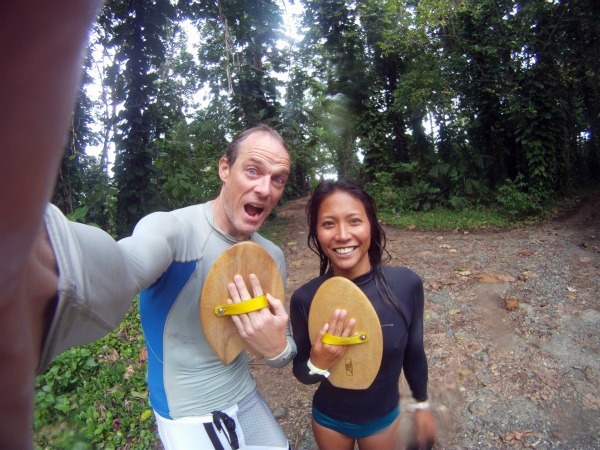
The fns give us extra kicking power to get into the waves earlier, and the handplanes create lift for our bodies once we get going on the wave face, so we can ride higher, longer and faster. They’re so much fun!!!
Here are a couple of poor videos we took on our GoPro camera while we were bodysurfing the other day.
This past fall, we were lucky enough to be in New York for the premiere of the bodysurfing film Come Hell Or High Water by Keith Malloy:
Get out there and try bodysurfing. You’ll feel like a kid again!
¡Feliz Año Nuevo!
Happy New Year! Hope you get all that you wish for in the coming year.
¡Feliz año nuevo! Esperamos que ustedes recibirán todo lo que desean en el año que viene.
The Mouths Of The Bull
We took a bus from Granada to San Jose, Costa Rica, and stayed over one night in order to catch another bus the next morning from San Jose to Bocas Del Toro, Panama. Bocas Del Toro means “mouths of the bull”; online research has turned up varying stories explaining where the name came from. I can’t figure out which one is true.
At the border crossing between Costa Rica and Panama, the bus dropped us off on the Costa Rica side, and once we had exit stamps in our passports, we had to walk across a rickety railroad bridge on foot to get to the Panamanian side.
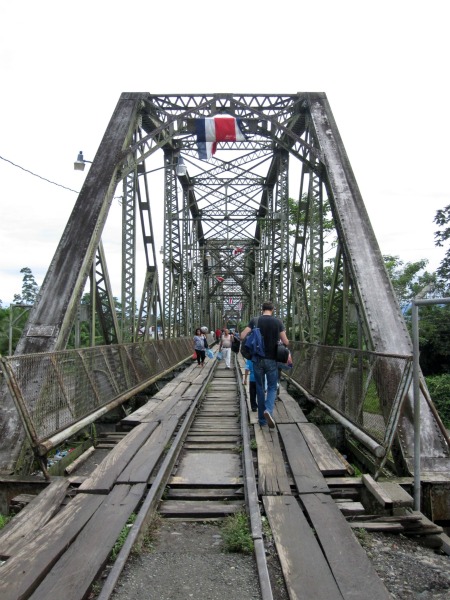
You have to look down at where you’re walking, or you might stick your foot through the tracks.

After getting Panamanian entry stamps, we took a cab to Almirante, a town across the water from Bocas Del Toro. Then we caught a water taxi to the main town called Bocas Town, which is on Isla Colon. From there, we had to catch another water taxi to the lesser-developed island we’re staying on, called Isla Bastimentos. There are lots of colorful restaurant and hotel buildings on the waterfront in Bocas Town.
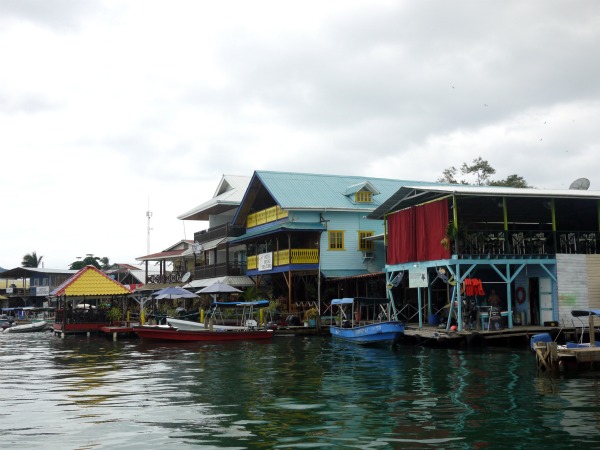
Bocas Del Toro province is banana country; we saw a shipping freighter full of containers of Chiquita bananas on the way to Bastimentos.

Luckily, we arrived just in time for a large and long-lived swell (it’s still going on!). We’ve been surfing the beach closest to our hostel, called Red Frog Beach, along with a few other breaks: Wizard Beach (it was big and choppy, with a lot of drift), Careneros Point (big, fast and super fun unless you ride it too far inside and the wave closes out and rakes you across the reef, ripping your shirt clear off you in the process, which happened to one of our friends while we were surfing together), and Black Rock (big but gentle and forgiving — fun with less fear factor).
Most of the breaks can only be reached by boat if you’re staying on Bastimentos. We pay a local water taxi guy to take us to drop us off at the break and come pick us up again three hours later.
Here are a few photos from Red Frog.
Michael:
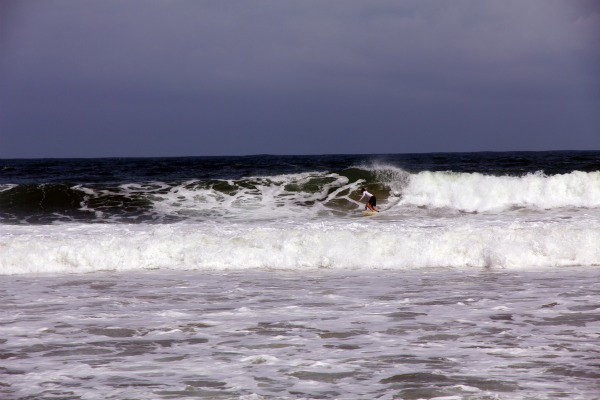
Me:
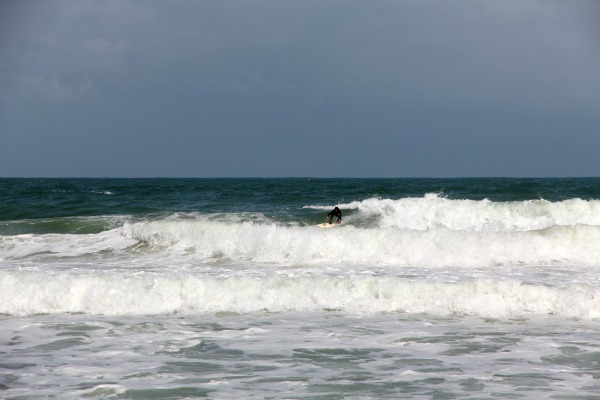
Michael body surfing with a handplane made by the talented Jon Wagner, who generously gave us two of his handcrafted beauties before we left New York:
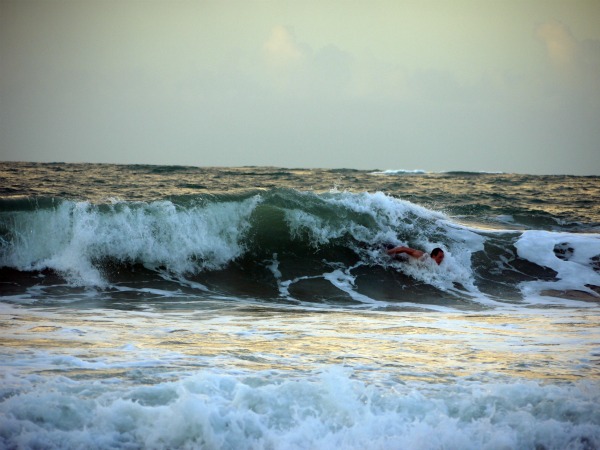
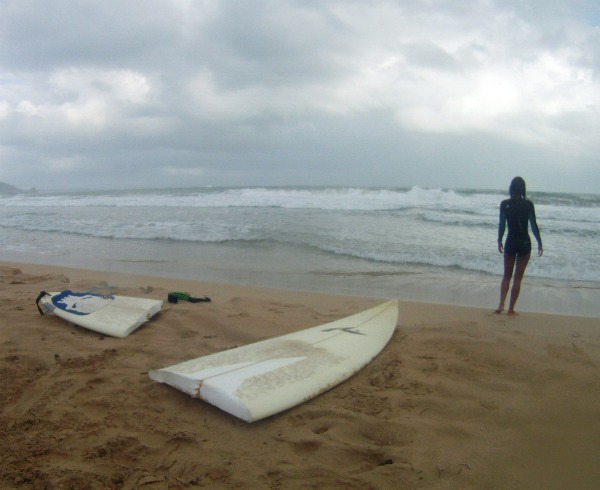
I broke my board a couple of days ago — my first snapped board!
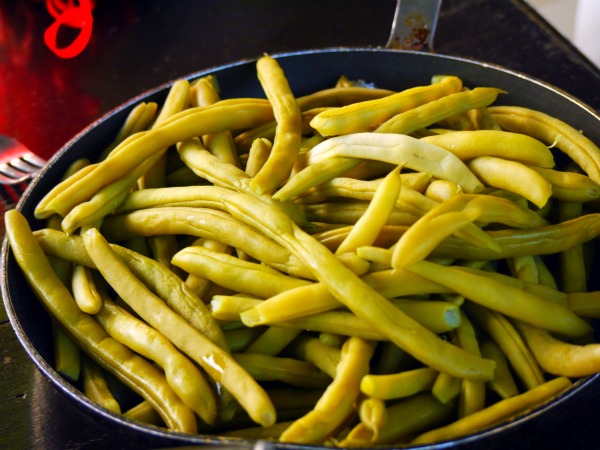
For Christmas, we and a few new friends made a delicious and decadent lobster dinner, with tons of garlic butter, potatoes dauphinoises, green beans, salad, coconut rice, and a flourless chocolate cake for dessert.



The next day, we worked it off by going for a four hour hike through the jungle .

We found strings of incredibly beautiful, secluded beaches.

One of the best things about Bocas Del Toro (besides the waves, of course!) has been the incredible jungle wildlife. Our hostel is literally set on the edge of the jungle, and we’ve seen some crazy critters. Insects are super-sized out here. Definitely not a good destination for the squeamish.
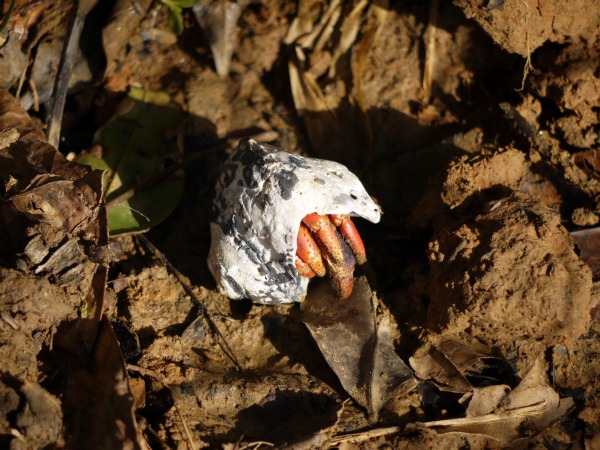


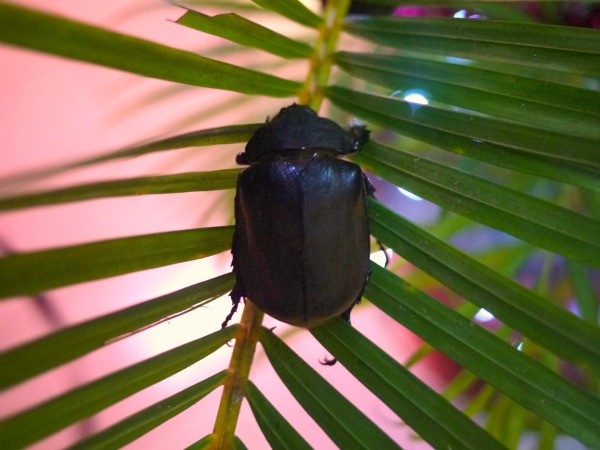
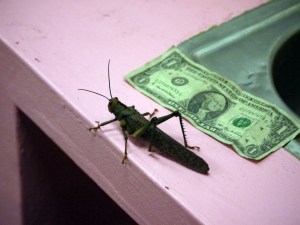

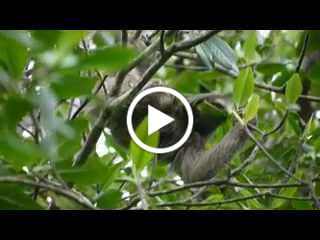
My favorite animals are the sloths. Click on the image below to get to the video we took of this cutie.
Bastimentos has been awesome. Everyone who knows Michael knows how much he loves observing wildlife, so it’s been heaven for him here. I’ve never been in true jungle before, and the jungle rainforest around us is stunning.
We’ll be here for New Year’s, then we’re heading to Santa Catalina on the Pacific side of Panama, a few days later.
¡Hasta la proxima entrada de blog!
Merry Christmas!

Happy holidays to all our friends and family! We miss you and send you our love and best wishes.
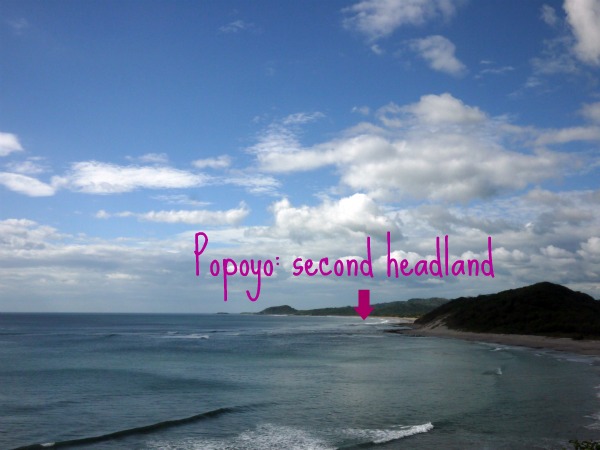
Popoyo Love and Granada Luxury
We absolutely loved Popoyo! We typically surfed twice a day for a few hours each time. The amazing thing about the area is that the wind blows offshore all the time, which means clean waves no matter what time of day you go out. In most surf spots, especially in Central America, the wind is calm in the morning but then turns onshore (blows from the ocean towards land) when land starts to heat up during the late morning. With Nicaragua’s Pacific coast, however, the large Lake Nicaragua creates conditions where the wind constantly blows from the lake out towards the ocean, which is offshore. This means clean waves all day! We could take as long a break as we liked mid-morning, and not have to worry about the waves becoming sloppy. It kind of spoils you after a while.
Additionally, Popoyo never seems to get completely flat. We never had a below-head high day. All in all, the spot is pretty magical.
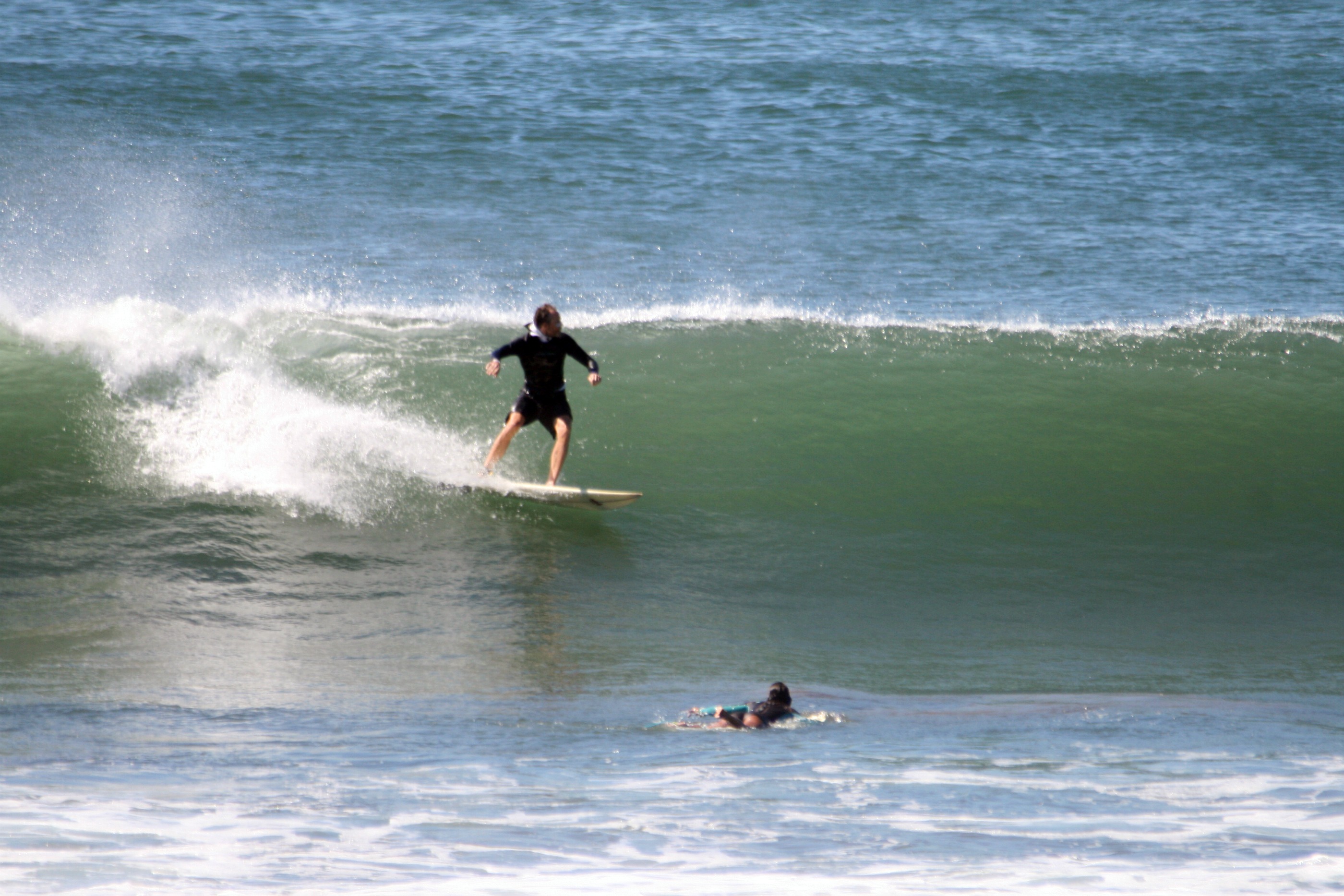
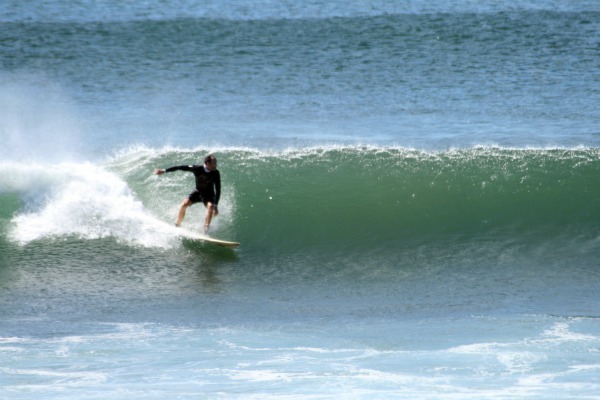
Mike from Nicawaves (an incredible surfer himself!) took some shots on different days while we were out surfing Santana and Popoyo. Here are a few.
Michael:


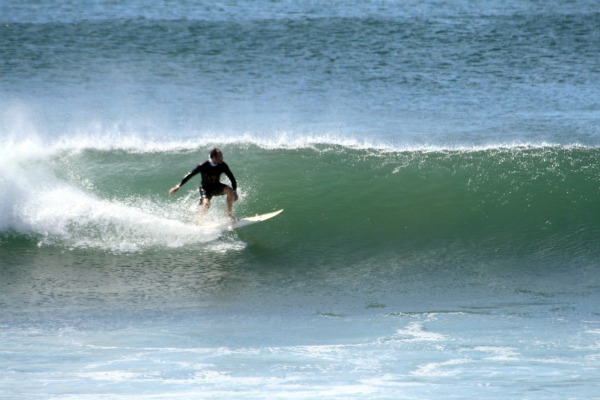


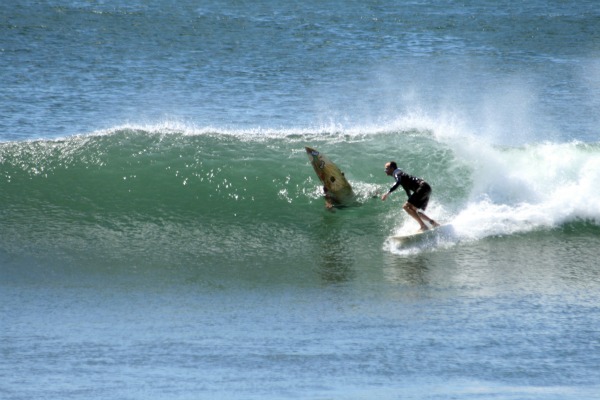

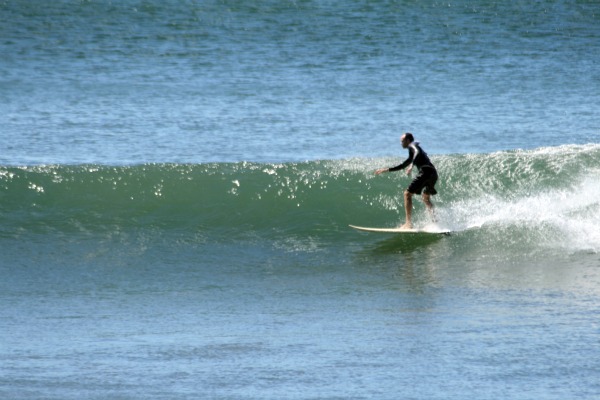
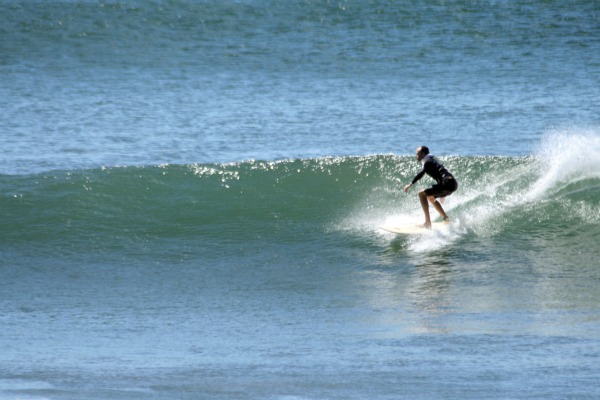
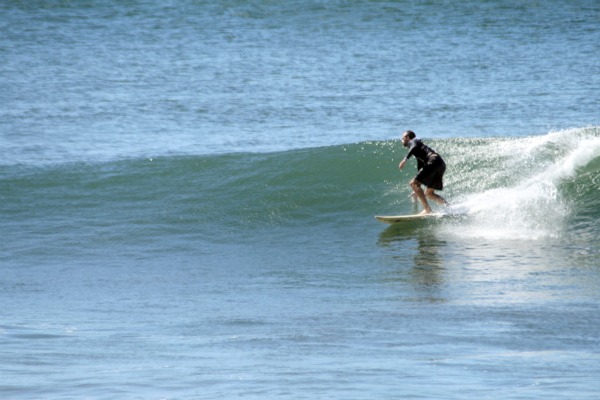
Delphine:

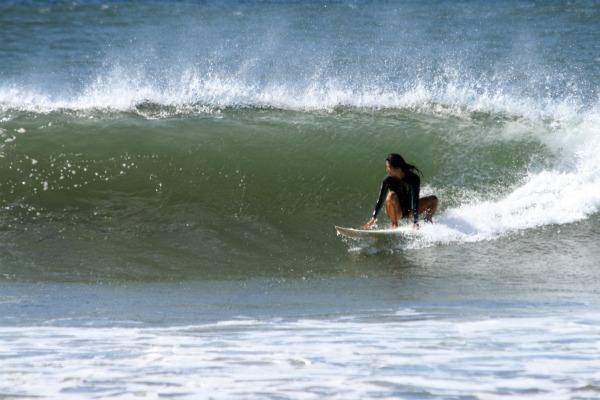

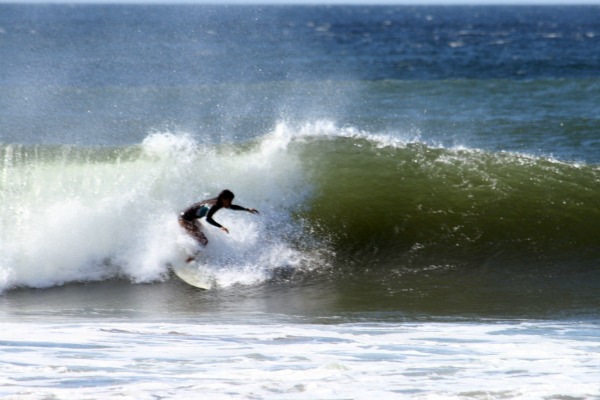


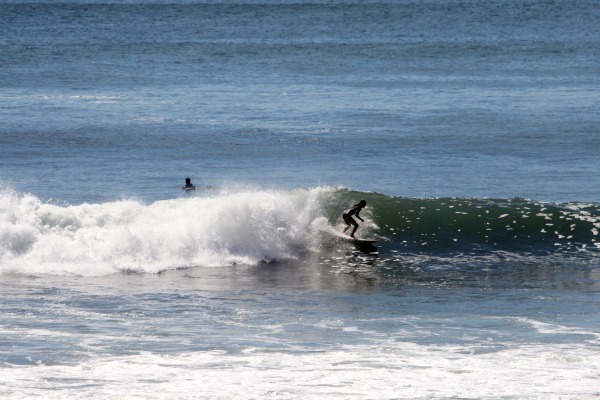
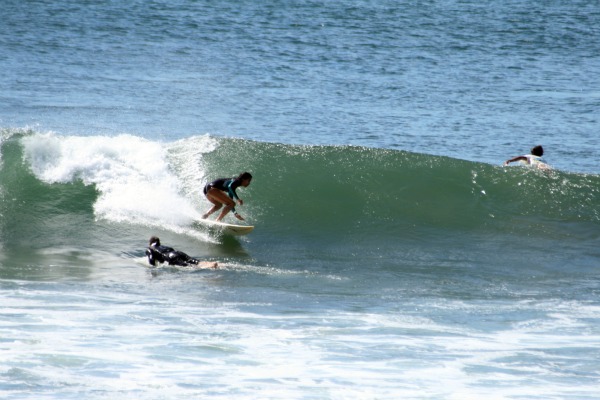


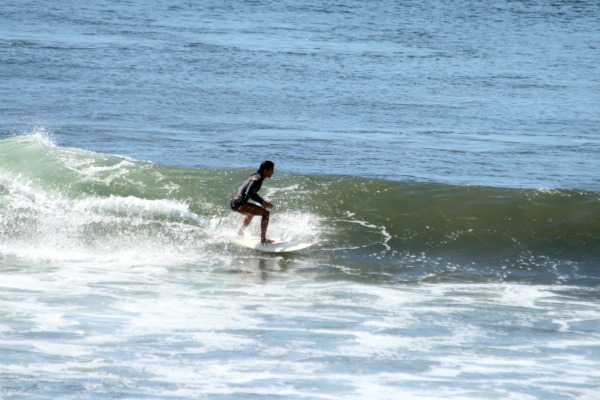


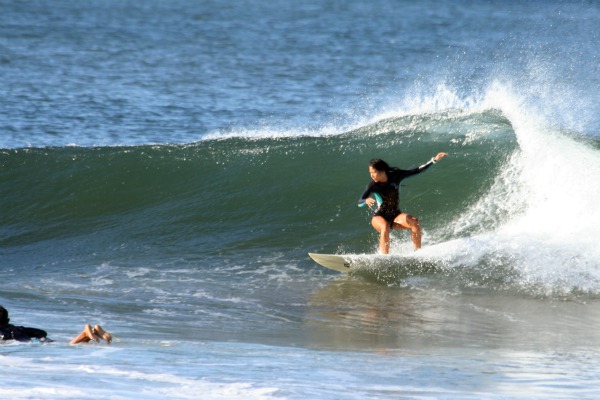
Nicawaves was so peaceful and quiet, with a wonderful breeze coming up the hill and through our windows to keep things cool even in the 90-degree daytime heat.
We went several times up to the top of the cliff above Magnific Rock, to a restaurant/hotel of the same name, to have ice cream with chocolate sauce, use their wi-fi, and enjoy the beautiful views up to Popoyo and down to Santana:

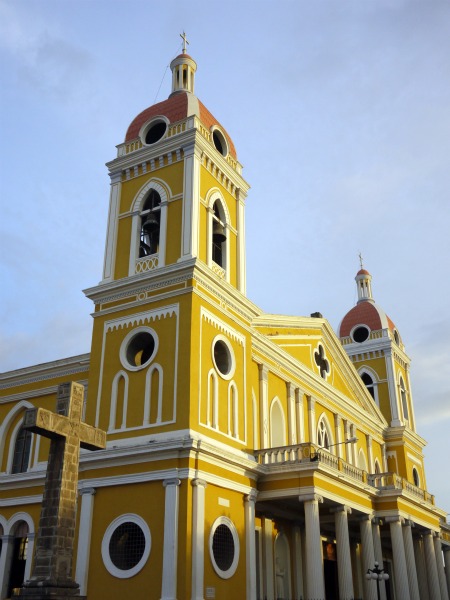
Finally, we left Popoyo to head to Granada, a colonial town inland. The architecture of the houses and churches is beautiful.


We climbed the bell tower of the Iglesia de la Merced, for an expansive view over the rooftops of the city:

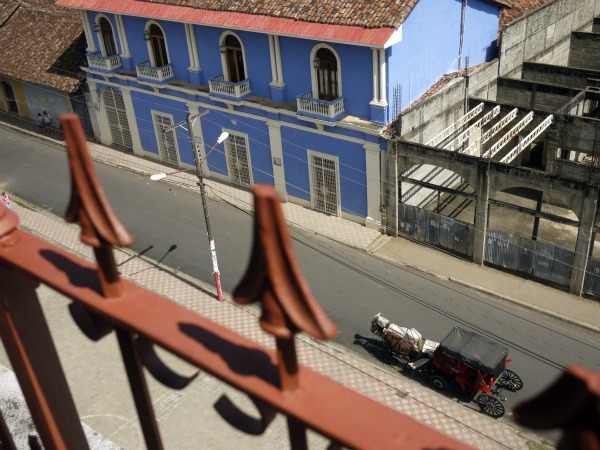
El Recodo, the oldest house in Granada:

We were in Granada for Michael’s birthday, and celebrated by taking a day trip to a gorgeous lake within an inactive volcano crater, called the Laguna de Apoyo. We spent the day on the water, at the Monkey Hut, swimming, kayaking and playing games:

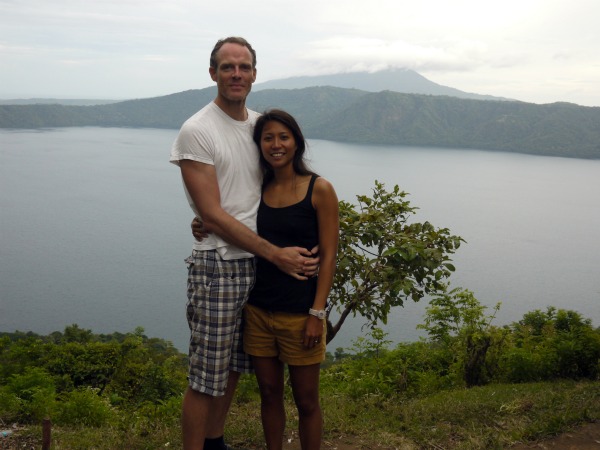
On the way back to Granada, we stopped at an overlook at the top of the volcano’s rim:

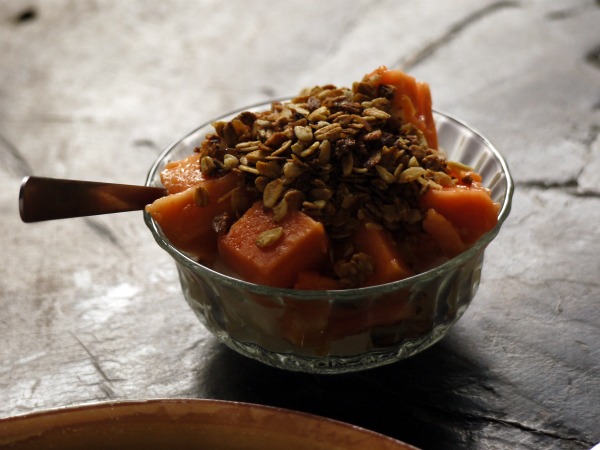
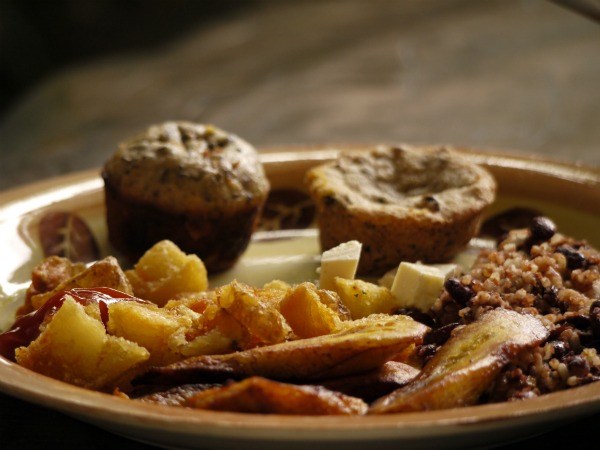
The next day, we had a gluttonous all-you-can-eat breakfast with muffins, granola with fruit and yogurt, coffee, fresh passionfruit juice, hash brown potatoes, gallo pinto, fried plantains and cheese, and made-to-order omelettes, pancakes and crepes. At $6 per person, it was the best deal in town.
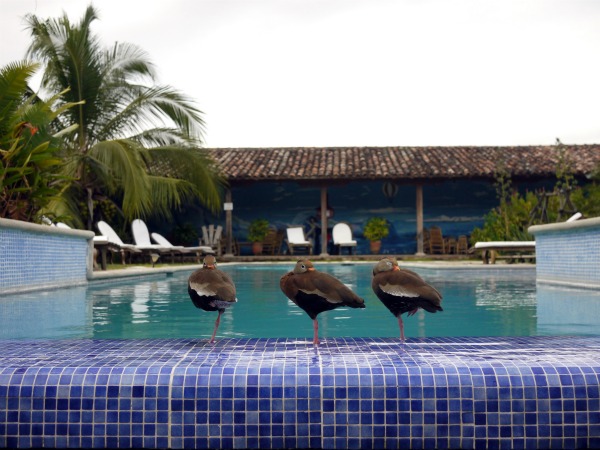
The restaurant is part of the posh Hotel Spa Granada, where we got Michael a massage for his birthday (I got a reflexology session too, although it wasn’t my birthday!). With the massage we got free use of the pool, which had three beautiful little resident water birds:

The hotel is also attached to a chocolate museum/workshop, where you can take classes to learn how to make chocolate, as well as purchase small-batch, locally handmade chocolate.


Granada was great for getting a nice dose of culture and varied food. It’s nice to get a dose of city life after being in more isolated areas, but after two days, we were ready to keep on moving. Next stop: Bastimentos, Panama.
Puerto Escondido Top Ten
It’s taken a while for us to get our act together and write this post, and we’re doing it from Nicaragua, but here is our list of top ten favorite things we experienced in Puerto Escondido (besides the waves, of course!). We feel like we stayed long enough in Puerto to really get a feel for our favorites. We would highly recommend these to anyone planning to visit:
- Wood-fired oven pizza at either La Pulcinella (top of the hill on the Adoquin, before the big intersection — closed Mondays) or La Hosteria (Calle Del Morro, beside Barfly). These two pizza joints have amazingly tasty pizza, and we visited both of them more than once. La Pulcinella had a better crust: crispy on the outside, but thick enough that it was chewy on the inside. La Hosteria’s crust was a little too thin, so it was only crispy and not chewy inside, but they used parmesan cheese and not just mozzarella, so their toppings were slightly tastier. We liked the pizzas with vegetables, tomato sauce, cheese and garlic. We still miss Saraghina, in Brooklyn, but this gave us a good taste of home.
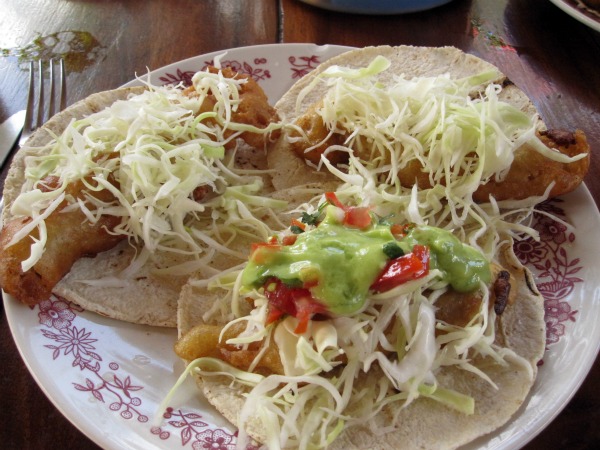
- The fish tacos at Dan’s Cafe Deluxe (attached to Hotel Casa De Dan). They only serve the fish tacos on Fridays and Saturdays, and are only open until 4 pm. The tacos are Baja-style: once piece of fish per taco with a nice, even breading and then deep fried, served with a smattering of shredded raw cabbage, and pico de gallo, spicy mayo and guacamole on the side. Best fish tacos I’ve had in my life!
- Gelato at Vivaldi (on the Adoquin, beside Estrella Del Mar). Authentic, rich Italian gelato. Who would have known you could find that in Puerto Escondido?!
- Las Margaritas (previously mentioned here)
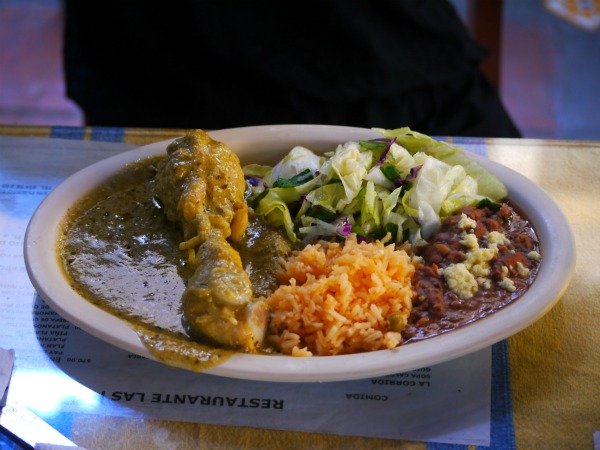
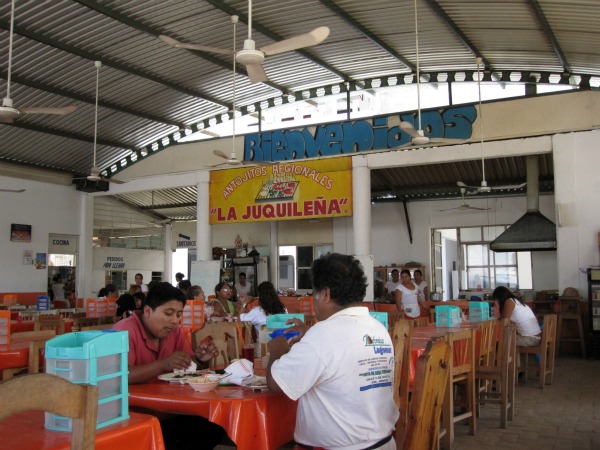
- La Juquilena – our favorite authentic local restaurant after las Margaritas. Great set lunches and delicious pitchers of aguas frescas as well. Don’t make the mistake we did, and go to the impostor restaurant deceptively named Las Juquilenas on 8th Street, one block away from the Benito Juarez Market. The food there is terrible, and that restaurant is taking advantage of the fact that it’s located in the original Juquilena’s spot — the authentic La Juquilena is located behind the soccer field that’s behind the market.

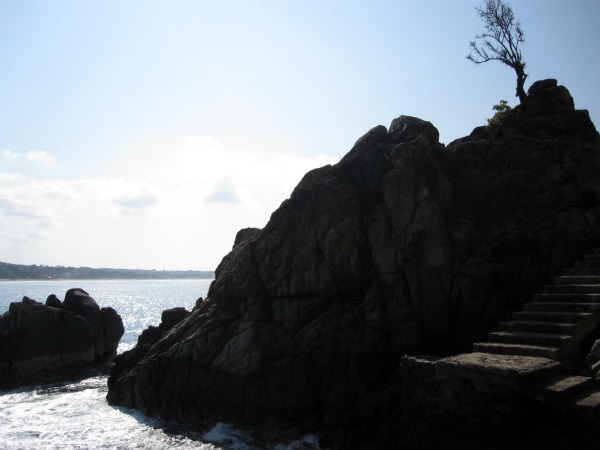
- The footpath on the cliffs around the lighthouse — called the Andador. Breathtaking views onto the water and across the bay to Zicatela. Best undertaken in the early morning, before the sun is too high and too hot. We were amazed that more people didn’t mention this as a great sightseeing walk; we only found out about it by accident. Apparently, you can ask the lighthouse-keeper to let you into the top of the lighthouse for a great view, but we didn’t get to do it before leaving.
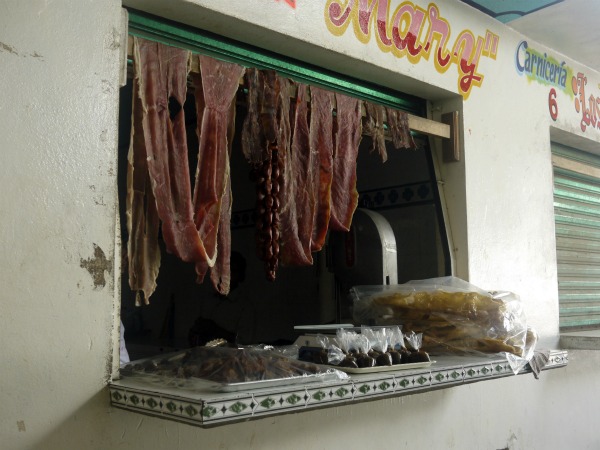
- Mercado Benito Juarez – great for buying fruits, veggies, dried bulk foods, fresh aguas frescas to drink on the spot. Also, meat displays that will turn any steak-lover into a vegetarian…
- Sunset happy hour at La Galera, the rooftop restaurant at the Arco Iris hotel.
- The botanical garden at UMAR — we missed the period when everything is in flower (January to March), but the scientist tour guides are so warm and welcoming, and they walk you around for 2 hours and tell you genuinely interesting information about the plants and animals. Incredibly, the 2-hour guided tour is free!


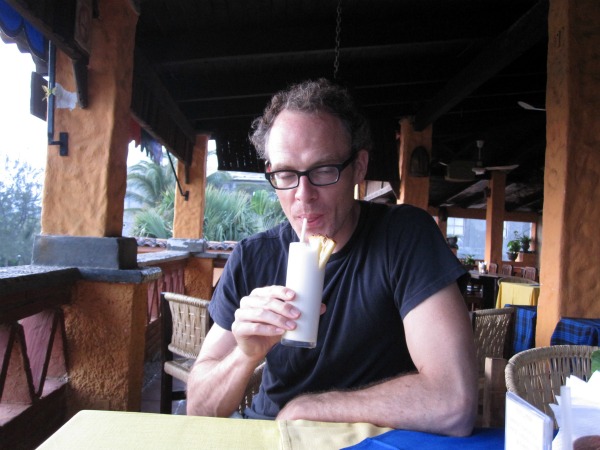
- Aguas frescas — You’ll find these almost anywhere you eat, but we love them so much that we had to add them as a favorite on our top ten list. Aguas frescas are made with fresh-squeezed juice, water and sugar. They’re so refreshing and easy to guzzle because they’re more diluted than straight fruit juice, but still sweet. A large pitcher of agua fresca at a restaurant like Las Margaritas or La Juiquilena will set you back a bare 25 pesos – not even $2. Dangerous! We drank a pitcher whenever we went to either of those two restaurants.
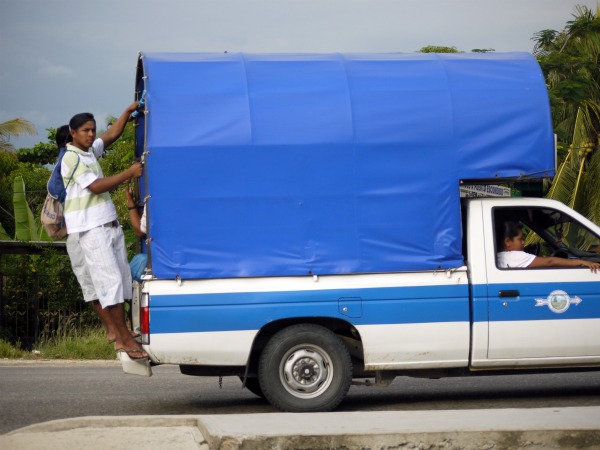
- BONUS: the colectivo rides. Ride hanging on from the outside for extra thrills at no extra cost!
How much does it cost to surf round the world? — Month 2
ithThe second month has gone by so much faster than the first, probably because we’ve been moving around so much more and didn’t have the chance to get settled in some sort of apartment with kitchen.
Here’s how we are doing cumulatively so far:

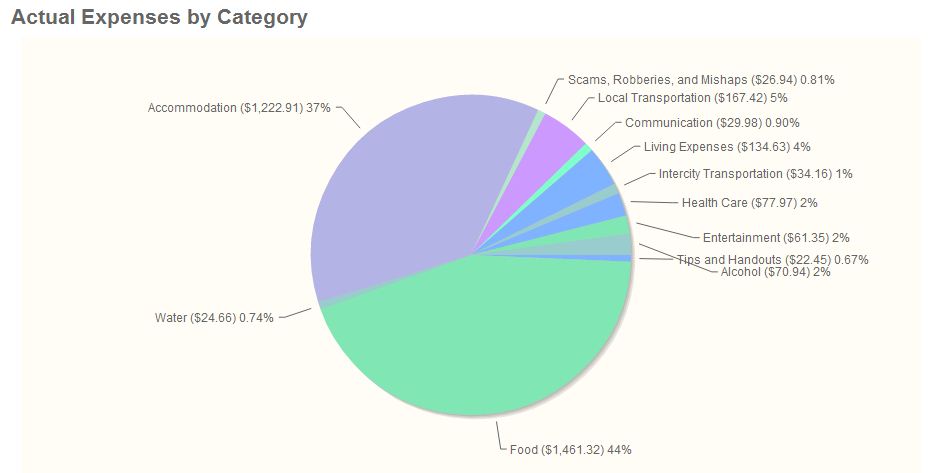
We’re still under budget, although costs have crept up a little bit, what with us moving around a lot more than Month 1, and not having a kitchen to cook our own meals. We’ve still managed to cut costs by:
- Filtering our own drinking water using the MSR Sweetwater Purifier water filter we bought to take on this trip. We hadn’t used it up until now, because when we were staying in the apartment in Puerto Escondido, those 5-gallon water cooler bottles were delivered to our place and they were only 5 pesos (40 centsan US) per bottle. We started filtering tap water to use as drinking water here in Popoyo because 2-litre bottles cost $2 where we’re staying. So far, we’ve filtered eleven 2-litre bottles full of water in the past week, saving us $22. A large added bonus is not adding so many plastic bottles to the landfills! However, to tell the truth, we paid about $120 for the purifier and an extra water filter cartridge, so we’ll need to filter a lot more water to recoup that initial cost. Until we do, the savings is mainly in landfill space, which is good enough for us 🙂
- Travelling by bus through the continent, instead of flying. This is a big money-saver in Central America, which is quite small and has an extensive, cheap bus network. We paid a total of $272 for both of us, including border crossing fees, and a night at a hotel in El Salvador for a stopover. A flight from Mexico City to Managua would have cost $1200 for both of us, plus additional surfboard bag fees, which can easily come out to an additional $300. Cheap overland travel is one of the big benefits of long-term travel.
Panama is next. We’re heading to the Bocas Del Toro area in peak season, so we’ll see if we’re able to keep on budget without having to resort to sleeping in shared dorms. We’re not above staying in dorms, but we’d prefer not to do it for longer than a few days. Many hostels we’ve contacted in Bastimentos (the island we want to stay on in Bocas) seem to be fully or mostly booked out of double rooms.
 Surfing Round The World